Monday, February 19, 2024

Exploring the Best Practices of a Filter Housing Manufacturer

Filter housing manufacturers play a crucial role in ensuring the quality and reliability of filtration systems across various industries. From design to production and distribution, these manufacturers adhere to a set of best practices to meet the diverse needs of their customers. Let’s delve into some of these best practices that define a successful filter housing manufacturer.
Filter Housing
Filter Housing Manufacturer

1. Focus on Quality Assurance: Ensuring the quality of filter housings is paramount. Manufacturers employ stringent quality control measures at every stage of production, from raw material inspection to final product testing. This helps in delivering reliable and high-performance products to customers.

2. Innovation and Research: Staying ahead in the filtration industry requires constant innovation. Manufacturers invest in research and development to improve existing products and create innovative solutions. This includes exploring new materials, designs, and technologies to enhance the performance and efficiency of filter housings.

3. Customization: Every industry has unique filtration requirements. A good filter housing manufacturer offers customization options to meet these specific needs. This could involve designing housings in different sizes, materials, and configurations to ensure compatibility with different filtration systems.

4. Compliance with Standards: Adhering to industry standards and regulations is non-negotiable for filter housing manufacturers. They ensure that their products meet or exceed the required standards for quality, safety, and performance. This builds trust among customers and enhances the reputation of the manufacturer.

5. Environmental Responsibility: Manufacturers are increasingly focusing on sustainability and environmental responsibility. This includes using eco-friendly materials, reducing waste generation, and implementing energy-efficient manufacturing processes. Such practices not only benefit the environment but also contribute to the company’s reputation as a responsible corporate citizen.

6. Strong Supply Chain Management: A robust supply chain is essential for timely delivery of products. Manufacturers work closely with suppliers to ensure a steady supply of raw materials and components. This helps in meeting customer demands and maintaining a competitive edge in the market.

7. Customer Service: Providing excellent customer service is key to building long-term relationships. Manufacturers offer technical support, product customization, and after-sales service to ensure customer satisfaction. This customer-centric approach helps in retaining customers and attracting new ones through positive word-of-mouth.

In conclusion, the best practices of a filter housing manufacturer are centered around quality, innovation, compliance, sustainability, and customer focus. By following these practices, manufacturers can not only meet the current demands of the market but also anticipate and adapt to future trends in the filtration industry.

Tuesday, February 13, 2024

Understanding The Different Types Of Filter Cartridges: Which One Is Best For Your Needs?


Filter cartridges are essential components in various filtration systems, ranging from water purification to air filtration. These cylindrical devices contain a filtering medium that captures impurities, particles, and contaminants, ensuring cleaner and safer air or water. However, with a myriad of filter cartridges available in the market, choosing the right one can be daunting. Let’s delve into the different types of filter cartridges and discover which one is best suited for your specific needs.

Types of Filter Cartridges

  1. Sediment Filter Cartridges: Designed to remove solid particles such as sand, silt, rust, and debris from water, sediment filter cartridges are commonly used as pre-filters in water filtration systems. They help prevent clogging and extend the lifespan of subsequent filters.
  2. Carbon Filter Cartridges: Carbon filter cartridges are highly effective in removing chlorine, volatile organic compounds (VOCs), taste, and odor from water. They feature activated carbon, which has a porous surface that traps and adsorbs contaminants, leaving behind clean and refreshing water.
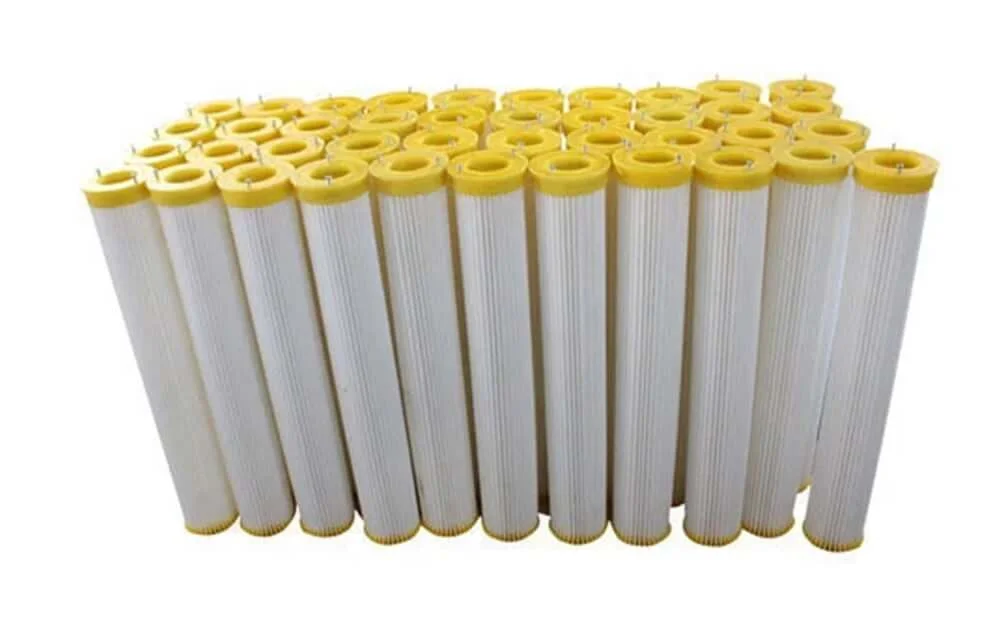
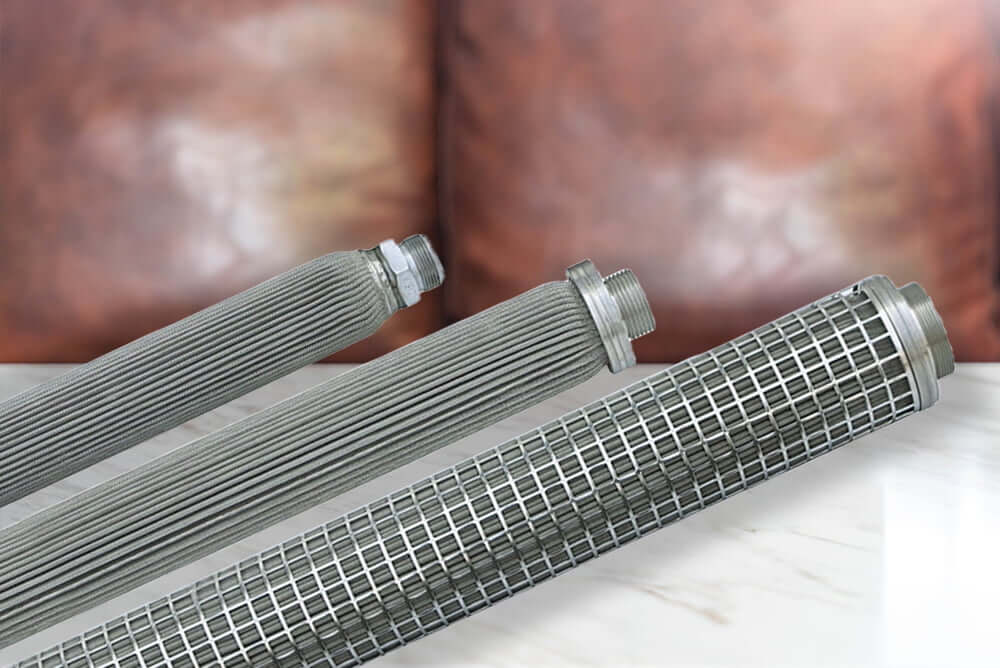
  3. Pleated Filter Cartridges: Pleated filter cartridges offer a larger surface area for filtration compared to traditional cylindrical filters. They are efficient in capturing fine particles and sediment, making them ideal for applications where high flow rates and extended filter life are desired.
  4. String-Wound Filter Cartridges: Constructed by winding string-like materials such as polypropylene or cotton around a core, string-wound filter cartridges are durable and cost-effective. They excel in removing larger particles and sediment from water, making them suitable for various industrial and residential applications.

Factors to Consider When Choosing a Filter Cartridge

When selecting a filter cartridge for your filtration system, several factors should be taken into account:

  • Filtration Efficiency: Consider the level of filtration required to meet your specific needs. Some applications may demand finer filtration to remove microscopic particles and contaminants.
  • Flow Rate: Determine the desired flow rate of your filtration system, as different filter cartridges offer varying flow rates based on their design and filtration capacity.
  • Contaminant Type: Identify the specific contaminants present in your water or air supply to choose a filter cartridge tailored to effectively remove those impurities.
  • Longevity and Maintenance: Evaluate the lifespan and maintenance requirements of different filter cartridges to ensure cost-effectiveness and convenience in the long run.

Finding the Perfect Filter Cartridge for You

Understanding the different types of filter cartridges and their respective features is crucial in selecting the right one for your filtration needs. Whether you require sediment removal, chemical filtration, or fine particle capture, there’s a filter cartridge designed to meet your requirements. By considering factors such as filtration efficiency, flow rate, contaminant type, and longevity, you can confidently choose the perfect filter cartridge to achieve clean and purified air or water in your home or facility.

Thursday, February 8, 2024

Efficient Filtration Solutions: Explore Our PP Wound Filter Cartridges


In the quest for cleaner, safer water, efficient filtration solutions play a crucial role. Among the myriad options available, PP (Polypropylene) wound filter cartridges stand out as a reliable choice for achieving superior water quality. Let's delve into how these cartridges revolutionize filtration processes and why they are essential for various applications.

Understanding PP Wound Filter Cartridges

PP wound filter cartridges are engineered with precision to deliver exceptional filtration performance. The cartridges feature a unique design where polypropylene yarn is tightly wound around a core, creating a dense filtration matrix. This design ensures effective removal of sediment, dirt, rust, and other particulate matter, resulting in clear and contaminant-free water.

Key Features and Benefits

High Filtration Efficiency: PP wound filter cartridges offer high dirt-holding capacity and efficient particle retention capabilities, ensuring thorough filtration and superior water quality.

Versatility: These cartridges are suitable for a wide range of applications, including residential, commercial, and industrial settings. They are commonly used in water purification systems, food and beverage processing, pharmaceutical manufacturing, and more.

Chemical Compatibility: Polypropylene material provides excellent chemical resistance, making PP wound filter cartridges ideal for applications involving aggressive chemicals.

Durable Construction: With robust construction and reliable performance, PP wound filter cartridges provide long-lasting filtration solutions, reducing maintenance frequency and costs.

Why Choose Our PP Wound Filter Cartridges?

At Define Filtration Inc, we specialize in offering top-quality PP wound filter cartridges that meet the highest standards of performance and reliability. Our cartridges are manufactured using premium-grade materials and advanced production techniques, ensuring consistent filtration efficiency and product durability.

Explore Our Range

Whether you're looking to improve water quality in your home, ensure compliance with industry standards in your business, or enhance the efficiency of your industrial processes, our PP wound filter cartridges are the solution you need. Explore our range today to discover how our advanced filtration technology can make a difference.

Efficient filtration is essential for ensuring clean, safe water in various applications. With our PP wound filter cartridges, you can achieve unparalleled filtration performance, superior water quality, and peace of mind knowing that your water is free from contaminants. Explore our range of PP wound filter cartridges today and experience the difference in filtration efficiency and water quality.


Tuesday, January 30, 2024

Comparing Wound Filter Cartridges With Other Filtration Methods


In the world of industrial filtration, selecting the right filtration method is crucial for ensuring the purity and quality of liquids. One widely-used option is the wound filter cartridge, known for its versatility and efficiency. In this blog, we’ll delve into a comparative analysis, pitting wound filter cartridges against other filtration methods to better understand their unique advantages and limitations.

Understanding Filtration Methods

Before diving into the comparisons, it’s essential to grasp the basic principles of different filtration methods. Wound filter cartridges belong to the depth filtration category, trapping particles within the filter matrix as fluid passes through. Now, let’s explore how they stack up against other popular methods:

1. Wound Filter Cartridges Vs. Membrane Filtration: Precision And Pore Size

Wound Filter Cartridges: These cartridges excel in applications where a broader range of particle sizes needs to be captured. Their fibrous matrix can trap both large and small particles effectively.

Membrane Filtration: Membrane filters, on the other hand, offer precise control over particle size. They are ideal for applications requiring the removal of specific contaminants with a defined pore size.

2. Wound Filter Cartridges Vs. Activated Carbon Filtration: Versatility And Adsorption

Wound Filter Cartridges: The versatility of wound filter cartridges shines in their ability to handle a variety of liquids, from water to chemicals. They’re especially adept at removing sediment and larger particulate matter.

Activated Carbon Filtration: Activated carbon is known for its adsorption capabilities, making it an excellent choice for removing organic impurities, odors, and color. However, it may not be as effective in capturing larger particles.

3. Wound Filter Cartridges Vs. Bag Filters: Efficiency And Surface Area

Wound Filter Cartridges: These cartridges boast a high filtration surface area due to their coiled structure, allowing for extended service life and efficient particle capture. They are suitable for both pre-filtration and final filtration stages.

Bag Filters: Bag filters, while effective, may have a lower surface area compared to wound filter cartridges. This can result in more frequent replacements and higher operating costs in certain applications.

4. Wound Filter Cartridges Vs. Diatomaceous Earth (DE) Filtration: Clarity And Flow Rate

Wound Filter Cartridges: With their graded density structure, wound filter cartridges maintain a steady flow rate while providing consistent filtration performance. They are well-suited for applications where a constant flow is critical.

Diatomaceous Earth Filtration: DE filtration is known for achieving high levels of clarity by removing very fine particles. However, the process can be slower, and DE filtration systems may require more maintenance.

Choosing The Right Tool For The Job

In the realm of filtration, there’s no one-size-fits-all solution. Each method has its strengths and weaknesses, and the choice depends on specific application requirements. Wound filter cartridges stand out for their versatility, efficiency, and cost-effectiveness, making them a preferred choice in various industries. By understanding the nuances of different filtration methods, businesses can make informed decisions that align with their unique needs, ensuring the purity and quality of their processes.

Thursday, January 25, 2024

Choosing the Right Wound Filter Cartridge for Your Application: A Comprehensive Guide


In the world of industrial filtration, selecting the appropriate filtration solution is crucial for optimizing processes and ensuring the longevity of equipment. Wound filter cartridges stand out as versatile and effective tools, but the key lies in choosing the right cartridge for your specific application. In this comprehensive guide, we will delve into the factors influencing this decision and provide insights to help you make an informed choice.

Understanding Your Filtration Needs

Before diving into the myriad options available, it's essential to understand the unique requirements of your application. Consider factors such as the type and size of particles to be filtered, the desired flow rate, and the characteristics of the fluid being processed. This foundational understanding will serve as a compass in navigating the diverse landscape of wound filter cartridges.

Filtration Efficiency: Balancing Pore Size and Flow Rates

One of the primary considerations is the filtration efficiency of the cartridge, which is closely tied to the pore size. Wound filter cartridges are available with varying degrees of filtration, typically measured in microns. Smaller micron ratings indicate finer filtration, capturing smaller particles. However, it's crucial to strike a balance between filtration efficiency and flow rates. Choosing a cartridge with a very fine filter may lead to increased pressure drops and reduced flow, impacting overall system performance.

Material Compatibility: Ensuring Chemical Resistance

Different applications involve varying types of fluids and contaminants. It's imperative to select wound filter cartridges made from materials compatible with the chemicals present in your process. Cartridges are manufactured using materials such as polypropylene, cotton, or fiberglass, each offering distinct chemical resistance properties. Conduct a thorough analysis of your application's chemical composition to ensure the longevity and effectiveness of the chosen cartridge material.

Consideration of Temperature and Pressure Conditions

The operating conditions of your filtration system, including temperature and pressure, play a crucial role in determining the suitable wound filter cartridge. Some applications involve high-temperature fluids or processes with significant pressure variations. Ensure that the selected cartridge can withstand these conditions without compromising its structural integrity or filtration performance.

Single- or Multi-Layered Cartridges: Application-Specific Design

Wound filter cartridges come in both single and multi-layered designs, each catering to different applications. Single-layered cartridges are suitable for standard filtration tasks, while multi-layered cartridges offer enhanced particle retention capabilities. Evaluate the complexity of your filtration needs to determine whether a single-layered or multi-layered cartridge design is more fitting.

Customization Options for Tailored Solutions

In certain cases, off-the-shelf wound filter cartridges may not precisely align with the unique demands of your application. Manufacturers often provide customization options, allowing you to tailor the cartridge specifications to meet specific requirements. Explore these customization possibilities, particularly if your application presents challenges beyond the scope of standard filtration solutions.

Making an Informed Decision

Choosing the right wound filter cartridge is a strategic decision that directly influences the efficiency and reliability of your filtration system. By understanding your application's nuances, considering factors such as filtration efficiency, material compatibility, temperature, and pressure conditions, and exploring customization options, you can navigate the vast array of wound filter cartridges to find the perfect fit for your needs. A well-informed decision not only ensures optimal filtration performance but also contributes to the longevity and efficiency of your overall industrial processes.

Sunday, January 21, 2024

Enhancing Air Quality And Industrial Processes With Efficient Bag Filter Housing


From Dust to Clean Air: The Role of Bag Filter Housings in Air Filtration Systems

Clean air is a fundamental necessity for a healthy environment and optimal industrial processes. Among the various technologies contributing to air purification, bag filter housings stand out as efficient and versatile components in air filtration systems. In this article, we delve into the crucial role that bag filter housings play in transforming dusty air into a pristine and breathable atmosphere.

Understanding Bag Filter Housings

Before exploring their role, it's essential to comprehend what bag filter housings are. Bag filter housings are sturdy enclosures designed to hold filter bags, which are made from various materials like polyester, polypropylene, or nylon. These filter bags trap particles and contaminants from the air, preventing them from circulating further downstream.

Filtration Efficiency

The primary function of bag filter housings is to enhance the filtration efficiency of air purification systems. These housings provide a secure environment for filter bags to capture particles of different sizes, ranging from fine dust to larger particulate matter. The design of bag filter housings ensures that air passes through the filter bags, allowing the contaminants to be trapped while allowing clean air to pass through.

Versatility in Applications

One of the key advantages of bag filter housings is their versatility in various applications. Whether in industrial settings, commercial buildings, or manufacturing facilities, these housings find widespread use. They are employed in dust collection systems, HVAC (heating, ventilation, and air conditioning) units, and even in critical environments like pharmaceutical production where air quality is paramount.

Optimizing Industrial Processes

In industrial settings, air quality is directly linked to the efficiency and safety of processes. Bag filter housings play a pivotal role in maintaining clean air in manufacturing plants, refineries, and production facilities. By preventing dust and contaminants from entering sensitive equipment and machinery, these housings contribute to the longevity and reliability of industrial systems.

Cost-Effective Maintenance

Bag filter housings are designed with maintenance in mind. The filter bags can be easily replaced when they reach their capacity, ensuring that the filtration system continues to operate at peak efficiency. This ease of maintenance translates into cost savings for industries, as it minimizes downtime and reduces the need for extensive, time-consuming cleaning procedures.

Environmental Sustainability

As the world focuses on sustainable practices, bag filter housings contribute to environmental well-being. By capturing pollutants and preventing their release into the atmosphere, these housings play a role in reducing air pollution. Cleaner air not only benefits human health but also contributes to a more sustainable and ecologically friendly future.

Conclusion

Bag filter housings are unsung heroes in the realm of air purification. Their role in transforming dusty air into clean, breathable atmospheres cannot be overstated. From industrial applications to maintaining indoor air quality in commercial spaces, these housings are versatile and essential components in the fight for cleaner air. As industries continue to prioritize environmental responsibility, the significance of bag filter housings in enhancing air quality and optimizing processes is set to grow, making them indispensable in the pursuit of a healthier and more sustainable world.

Sunday, January 14, 2024

Enhancing Processes Across Diverse Sectors: Common Industries That Benefit From Wound Filter Cartridges


In the realm of industrial filtration, wound filter cartridges stand out as versatile workhorses, seamlessly integrating into various processes to ensure optimal efficiency and product quality. Let’s explore the common industries that reap significant benefits from the application of wound filter cartridges.

1. Pharmaceuticals: Pharmaceutical manufacturing demands stringent quality control measures, and wound filter cartridges play a pivotal role in ensuring the purity of medicinal products. These cartridges effectively remove particulate matter and contaminants, contributing to the production of pharmaceuticals that meet the highest standards.

2. Food and Beverage: In the food and beverage industry, maintaining product integrity is paramount. Wound filter cartridges excel in filtering out impurities, ensuring that final products are free from unwanted particles. Whether it’s in breweries, dairies, or beverage production, wound filter cartridges enhance the quality and safety of consumables.

3. Electronics Manufacturing: Precision is non-negotiable in electronics manufacturing, where even the smallest contaminants can lead to product defects. Wound filter cartridges aid in maintaining the cleanliness of critical processes, protecting sensitive electronic components from particles that could compromise their functionality.

4. Petrochemicals: The petrochemical industry deals with complex processes where the purity of fluids is crucial. Wound filter cartridges effectively remove sediments and contaminants, safeguarding equipment and ensuring the smooth operation of petrochemical processes.

5. Water Treatment: Wound filter cartridges are instrumental in water treatment facilities, where they help remove impurities, sediments, and microorganisms from water sources. This ensures that the treated water meets quality standards for consumption or industrial use.

6. Automotive Manufacturing: Automotive manufacturing involves numerous fluid-based processes, such as coolant systems and paint applications. Wound filter cartridges contribute to the longevity of machinery by preventing particulate matter from causing damage and maintaining the quality of paints and coatings.

7. Textile Industry: In textile manufacturing, water filtration is essential for dyeing and finishing processes. Wound filter cartridges assist in achieving the desired color and texture by removing impurities, ensuring the quality of the final textile products.

8. Chemical Processing: Wound filter cartridges find application in chemical processing plants, where they aid in maintaining the purity of chemicals and preventing contamination. This is crucial for the production of high-quality chemicals used in various industries.

In conclusion, wound filter cartridges are indispensable across a spectrum of industries, contributing to the optimization of processes, the protection of equipment, and the assurance of product quality. Their adaptability and effectiveness make them a cornerstone in the pursuit of excellence across diverse manufacturing sectors.

The Benefits of Using PP Wound Filter Cartridges with Quality Filter Housing

  In the world of industrial filtration, efficiency, reliability, and durability are key factors that determine the success of filtration sy...